Introduction
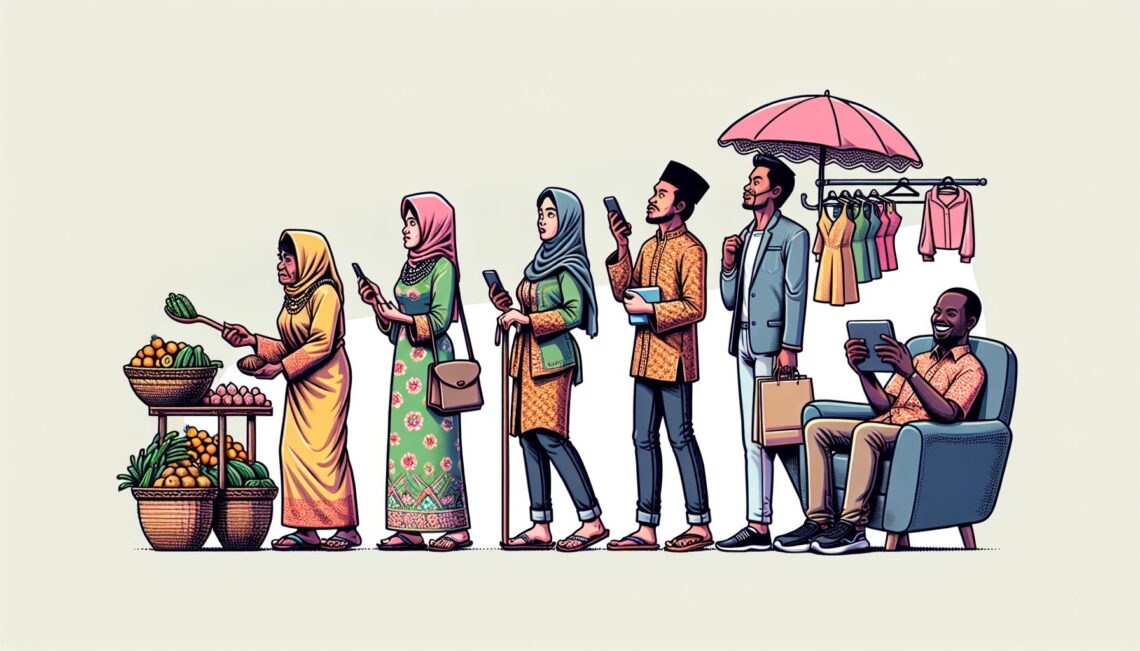
Shopping has undergone significant transformations over the years in Indonesia. From traditional markets to modern shopping malls, the evolution of the shopping experience has been shaped by various factors. Let’s explore how shopping experiences have evolved from the past to the present day.
Old-School Shopping at Traditional Markets
Traditional markets have been the heart and soul of Indonesian shopping for centuries. These bustling markets offer a vibrant atmosphere where locals can interact with vendors, haggle over prices, and experience the traditional way of shopping. While traditional markets still hold a special place in the hearts of many Indonesians, they have faced challenges from modern retail formats in recent years.
Transition to Modern Retail Stores
With the rise of globalization and urbanization, modern retail stores started to gain popularity in Indonesia. Large supermarkets, department stores, and convenience stores began to offer a wide range of products in a more organized and convenient setting. The introduction of malls further revolutionized the shopping experience, providing a one-stop destination for shopping, dining, and entertainment.
Changing Landscape of Online Shopping
In recent years, online shopping has taken Indonesia by storm. With the increasing availability of smartphones and the internet, consumers can now shop from the comfort of their homes or on the go. E-commerce platforms like Tokopedia, Bukalapak, and Shopee have made it easier for people to browse and purchase products online. Additionally, the growth of online marketplaces has opened up new opportunities for small businesses and local artisans to reach a wider audience.
Pros and Cons of Evolving Shopping Experiences
- Pros:
- Greater convenience: Modern retail stores and online shopping platforms offer convenience and accessibility to a wide range of products.
- Increased choices: Consumers now have access to a diverse selection of products from local and international brands.
- Competitive pricing: The competitive nature of the retail industry has led to competitive pricing and promotions, benefiting consumers.
- Cons:
- Loss of traditional shopping culture: The shift towards modern retail formats has led to a decline in traditional market culture and practices.
- Impersonal shopping experience: Online shopping may lack the personal touch and interaction that traditional markets offer.
- Digital divide: Not everyone has access to the internet or digital devices, limiting their participation in online shopping activities.
Future Trends in Indonesian Shopping
Looking ahead, the future of shopping in Indonesia is expected to be shaped by technology and changing consumer preferences. Innovations such as cashless payments, virtual fitting rooms, and personalized recommendations are likely to become more prevalent in the retail landscape. Additionally, sustainability and ethical shopping practices are gaining traction among Indonesian consumers, driving demand for eco-friendly and socially responsible products.
Conclusion
The evolution of shopping experiences in Indonesia reflects the dynamic nature of the retail industry and changing consumer behaviors. From traditional markets to modern retail stores and online shopping platforms, Indonesians have witnessed a significant transformation in how they shop. By embracing innovation and adapting to the evolving retail landscape, the shopping experience in Indonesia is set to continue evolving in the years to come.
For more information on the evolution of shopping experiences in Indonesia, visit Lainebox.


